
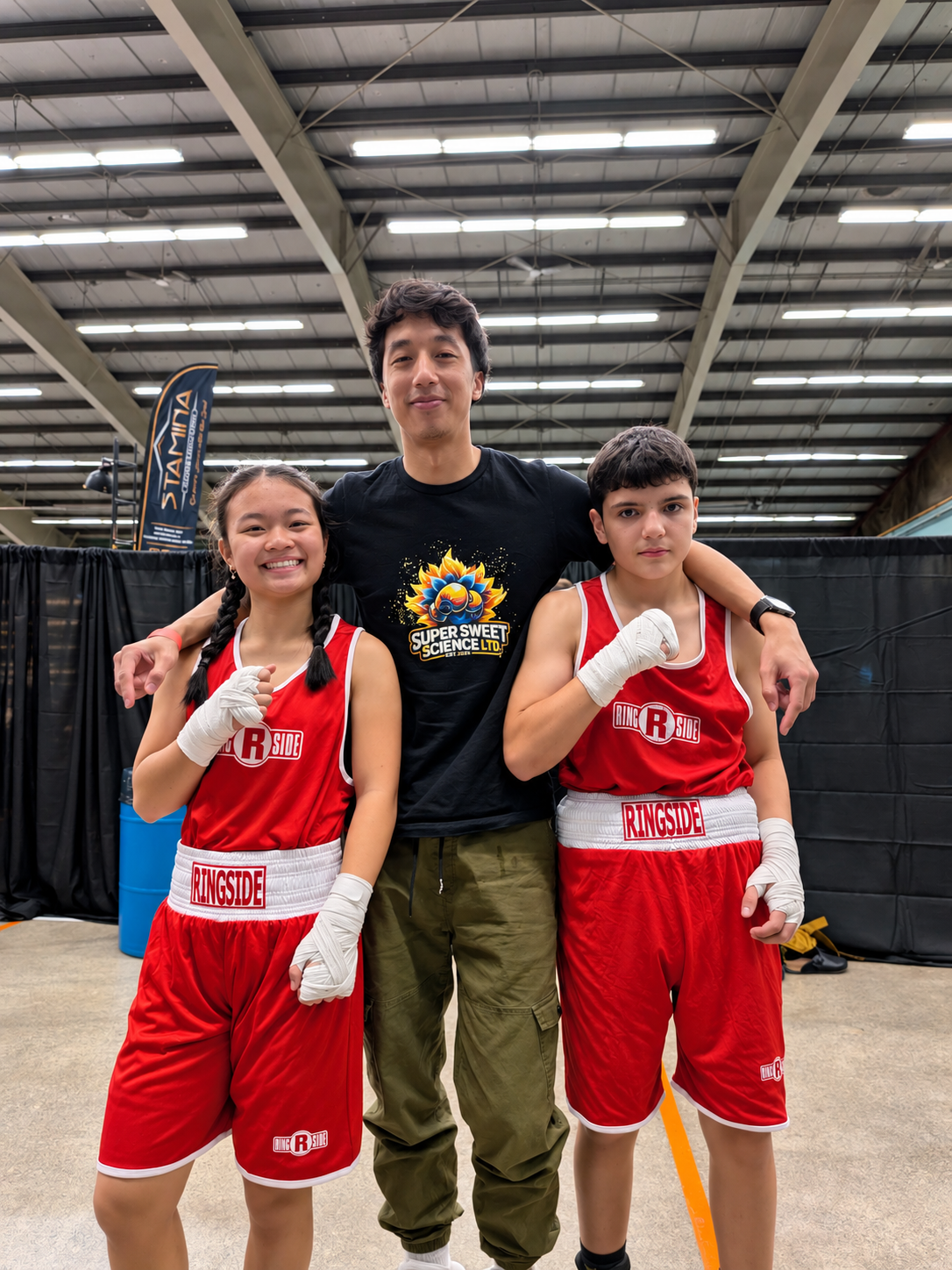
Super Sweet Science Boxing takes two 15-year-old athletes to the 2026 Bronze Gloves in Chilliwack, BC—one wins gold, one battles two weight classes up.

Coach Jason shares his experience training Seattle Kraken prospect Ryden Evers in boxing during the hockey offseason, from footwork to pull counters.
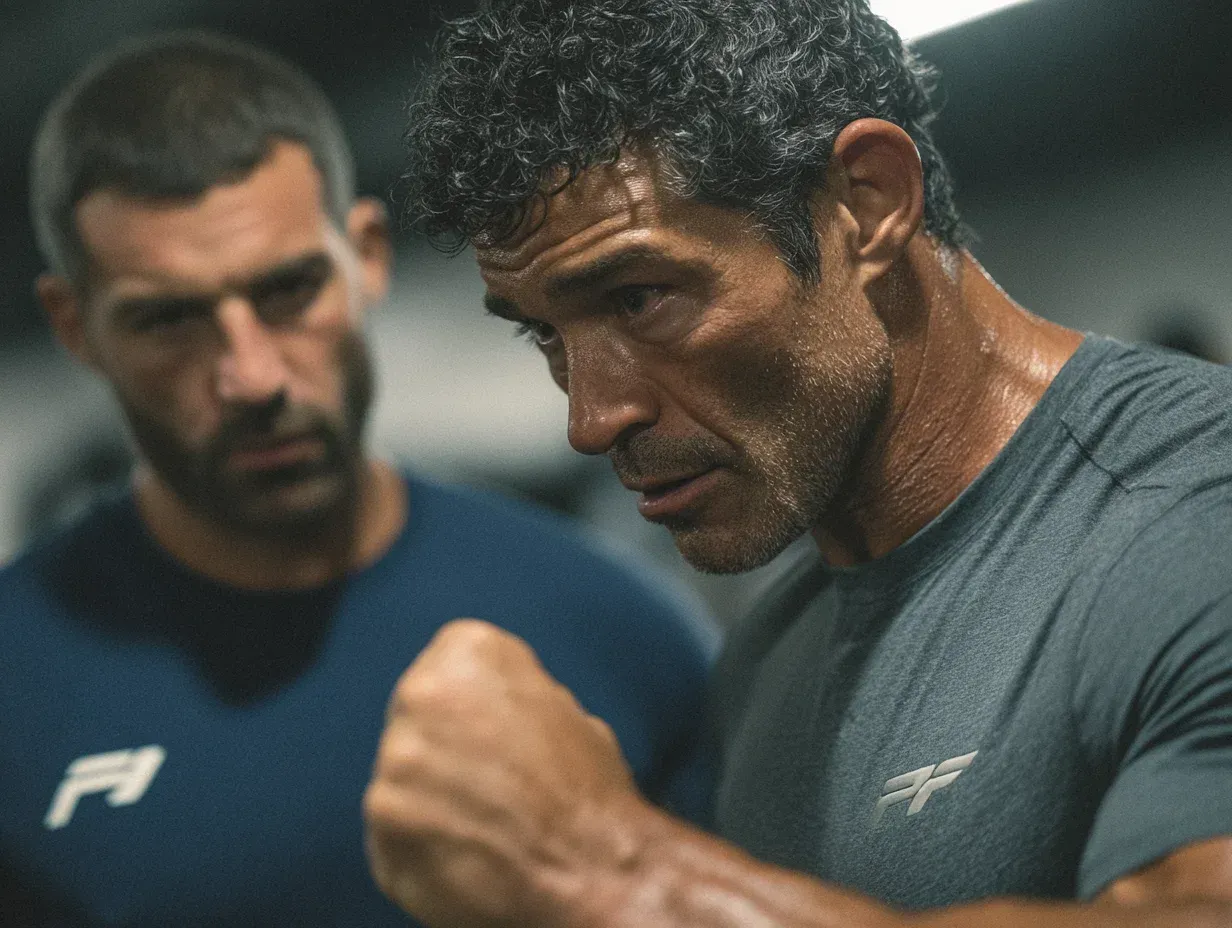
Your first amateur boxing match is a big step. It’s exciting, intimidating, and deeply rewarding—but only if you prepare properly. In Vancouver, amateur boxing follows structured rules, safety standards, and competitive expectations. Walking in unprepared isn’t just uncomfortable—it’s unsafe.
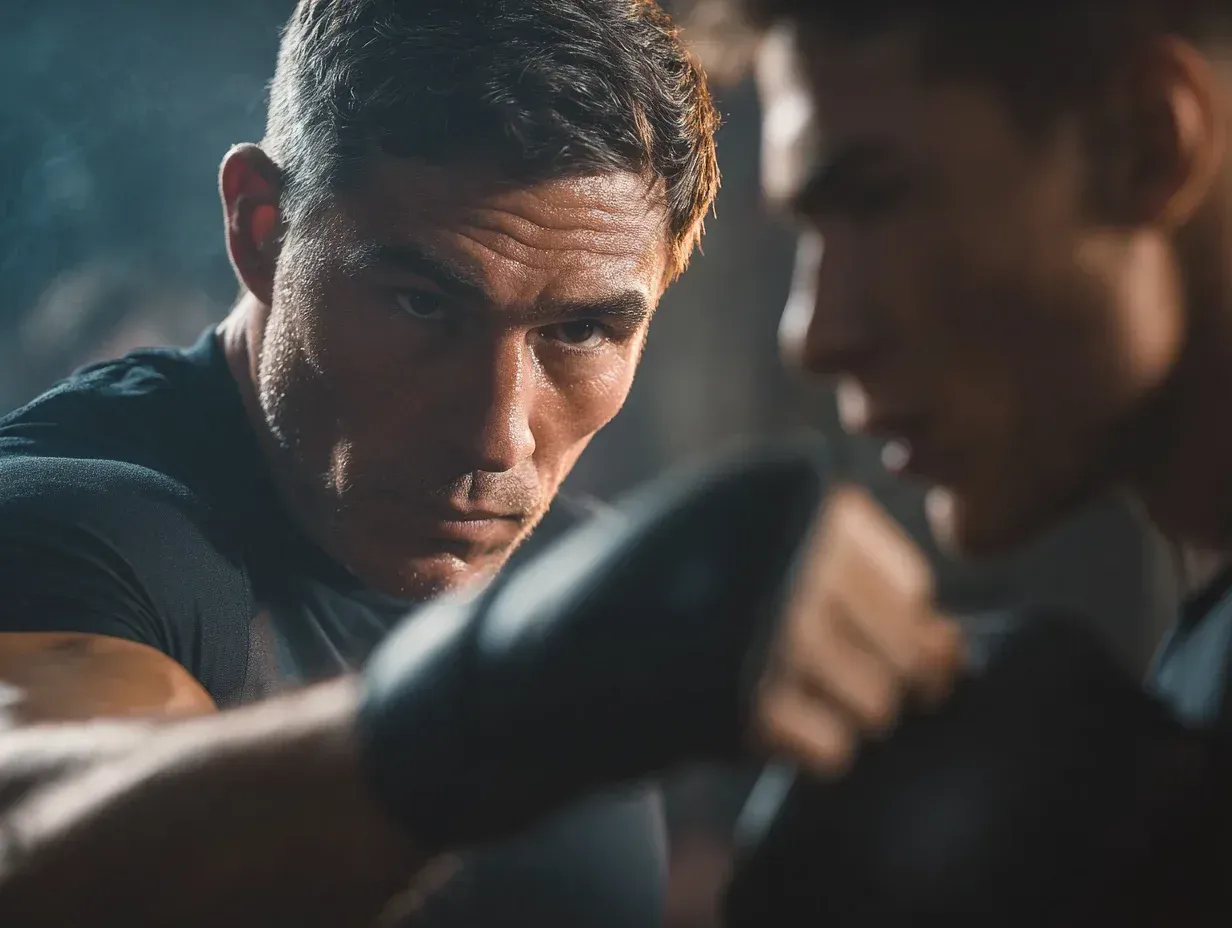
Boxing isn’t just a sport — for kids it can be a fun, confidence-building activity that teaches focus, discipline, coordination, and healthy habits. When taught in a structured, age-appropriate setting, kids learn fundamentals like footwork, punches, and respect for others while staying safe and active.
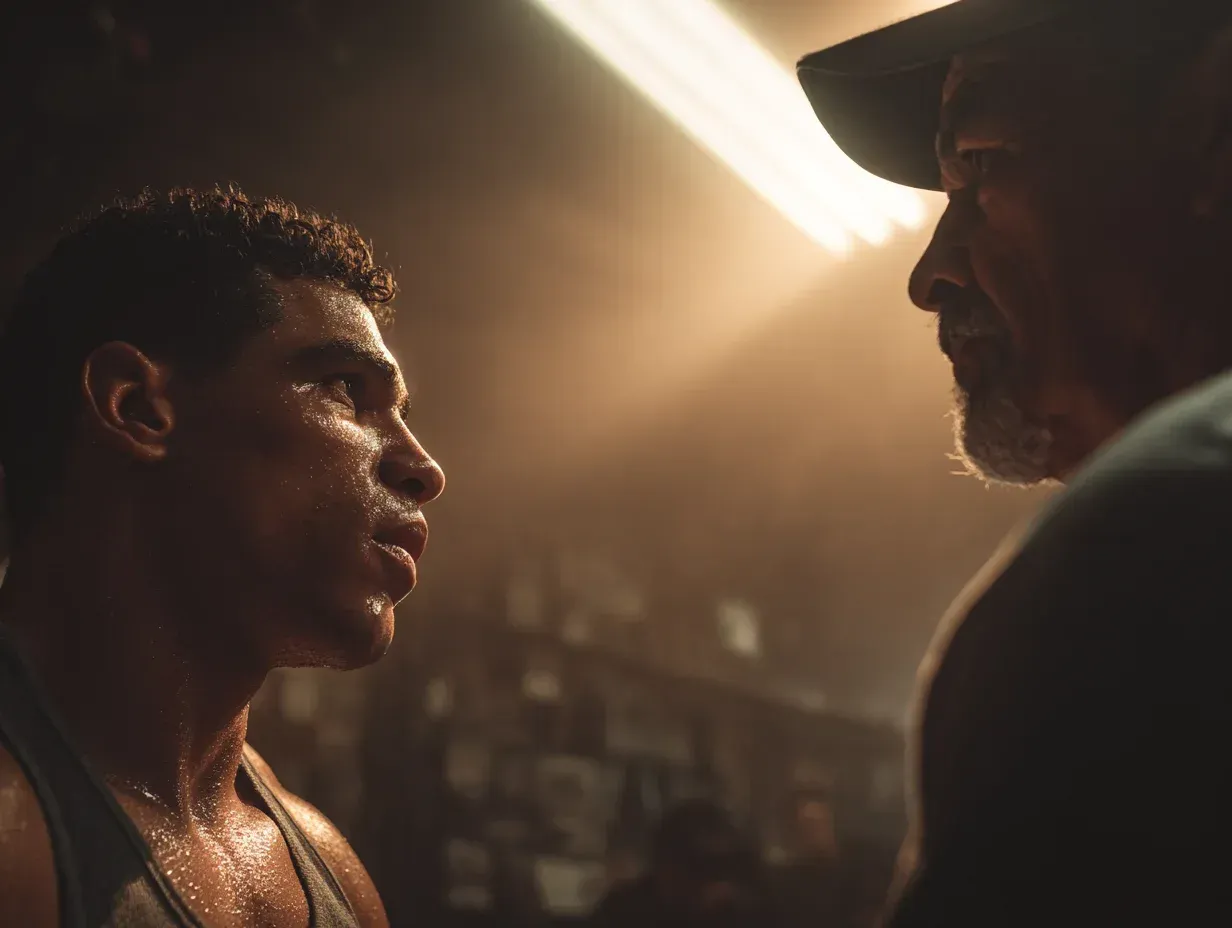
Confidence is one of the most important traits a child can develop—and one of the most misunderstood. It’s not about trophies, praise, or being the best. Real confidence comes from competence, consistency, and self-trust.
Parents often wonder whether boxing or team sports (like soccer, basketball, hockey, or football)
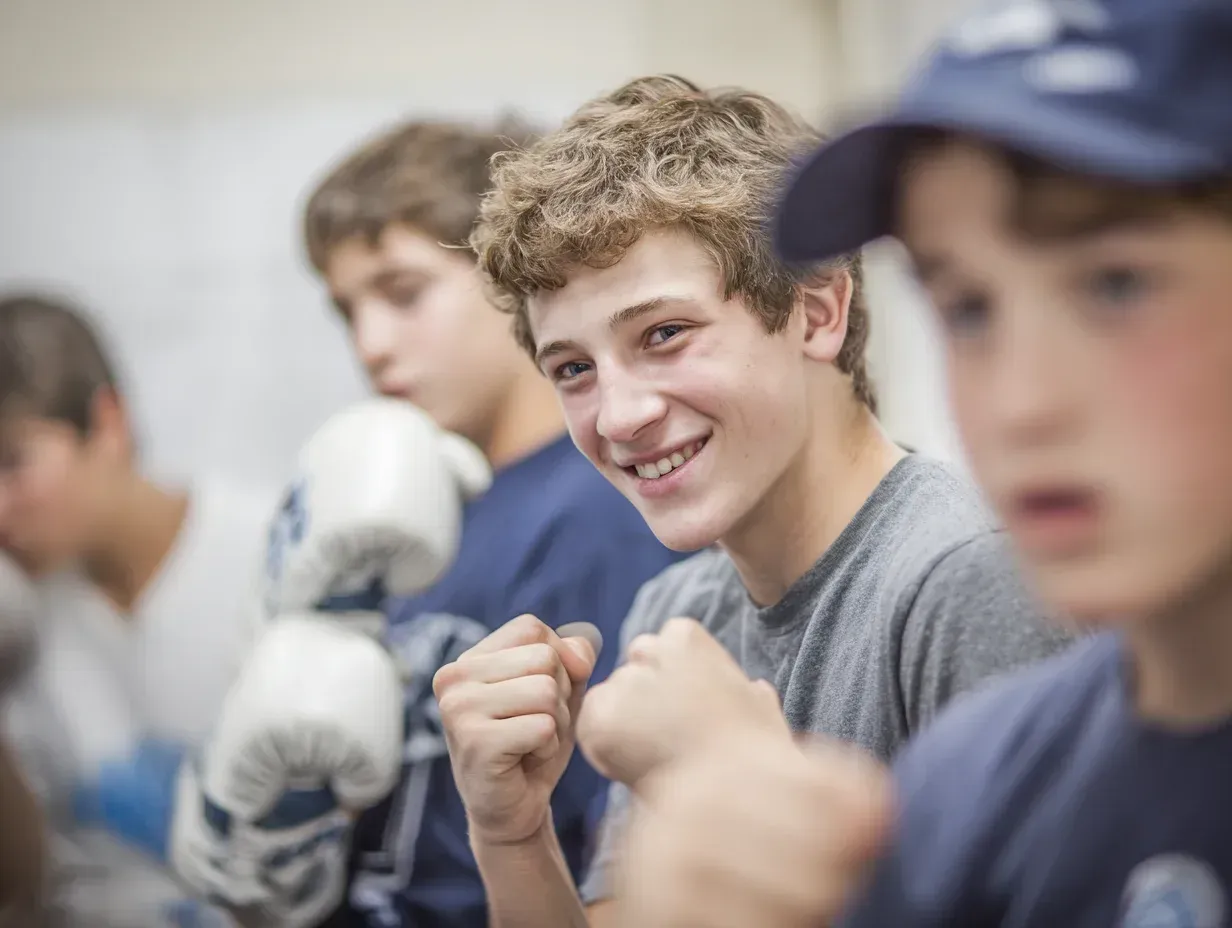
Discipline is one of the most valuable traits a young athlete can develop—and one of the hardest to teach. It’s not learned through lectures or rules alone. Discipline is built through consistent structure, accountability, and repeated effort under guidance.
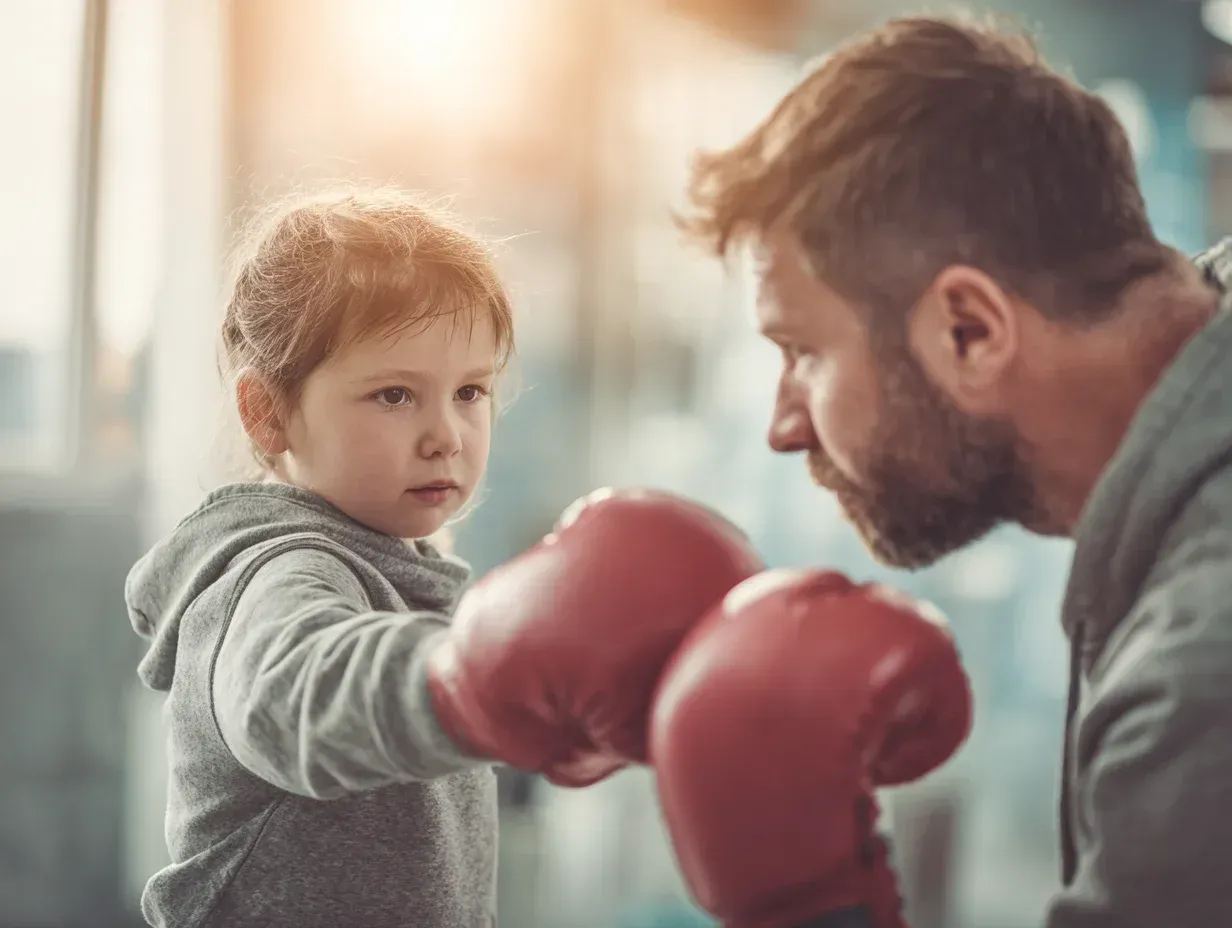
Boxing for kids is growing in popularity—and for good reason. When taught correctly, boxing helps children build confidence, coordination, discipline, and fitness. But for parents, safety is always the top concern.
The good news? Youth boxing is very safe when done properly. Most kids’ boxing programs focus on skill
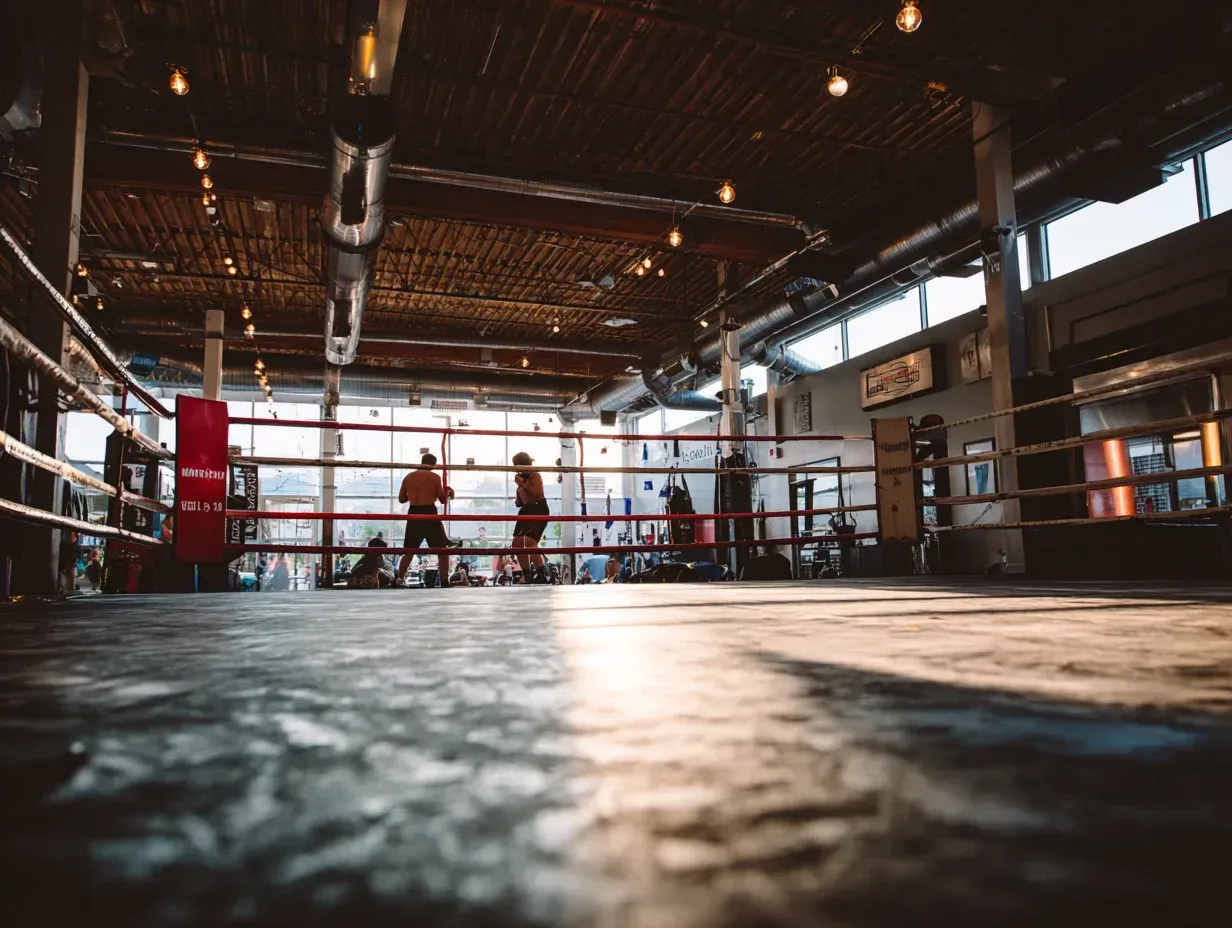
Boxing for kids and teens isn’t about fighting—it’s about fitness, discipline, confidence, and emotional development. When taught properly, youth boxing is one of the most well-rounded activities young people can participate in, offering physical, mental, and social benefits that extend far beyond the gym.
Stress shows up differently for everyone. For some, it feels like constant tension and restlessness. For others, it’s mental overload, anxiety, or emotional numbness. Because stress isn’t one-size-fits-all, neither is stress relief.
Three of the most popular tools people use today are boxing, yoga, and meditation.
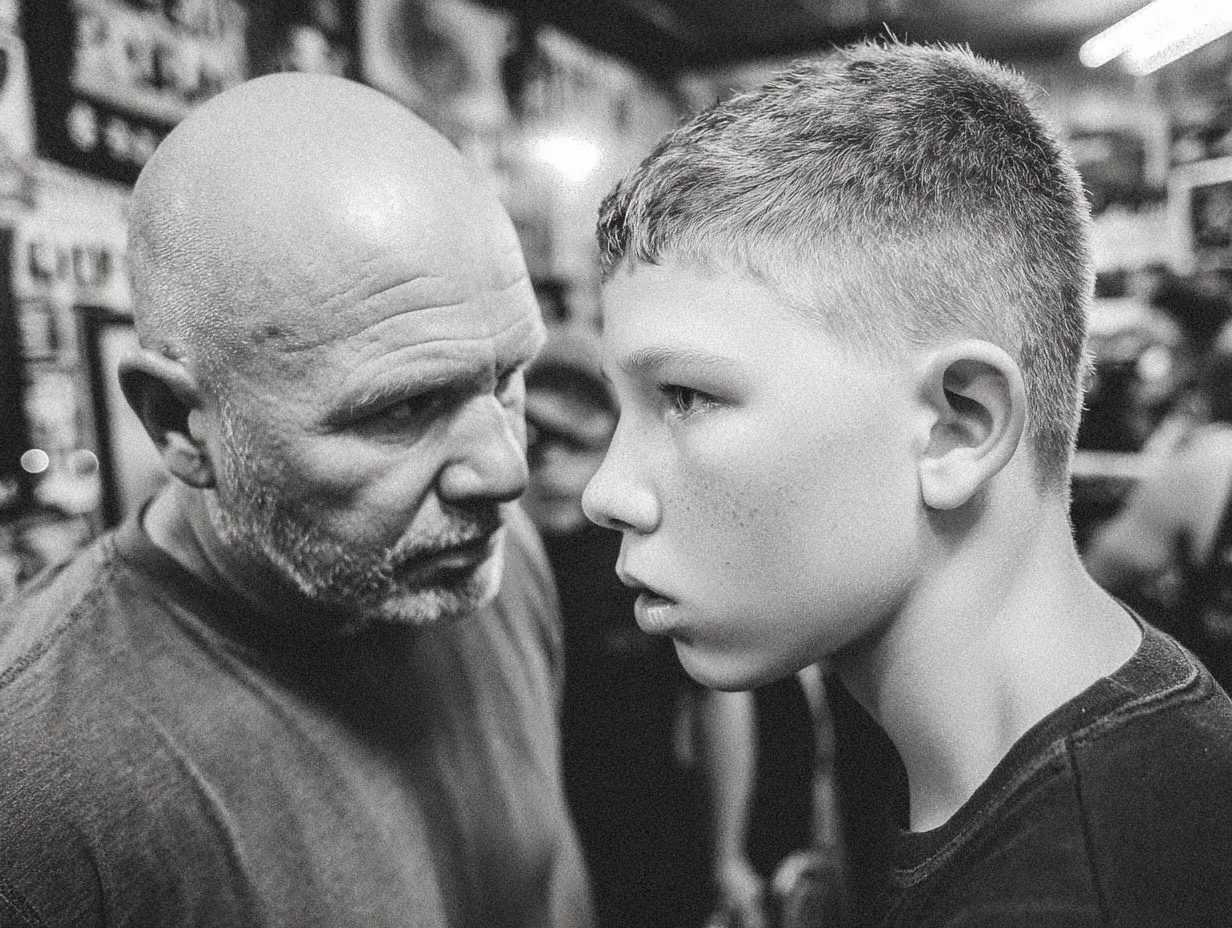
If you’re looking for a workout that builds strength, burns fat, improves conditioning, sharpens coordination, and strengthens mental resilience—all at once—boxing is hard to beat.
Super Sweet Science Boxing takes two 15-year-old athletes to the 2026 Bronze Gloves in Chilliwack, BC—one wins gold, one battles two weight classes up.
Coach Jason shares his experience training Seattle Kraken prospect Ryden Evers in boxing during the hockey offseason, from footwork to pull counters.
Your first amateur boxing match is a big step. It’s exciting, intimidating, and deeply rewarding—but only if you prepare properly. In Vancouver, amateur boxing follows structured rules, safety standards, and competitive expectations. Walking in unprepared isn’t just uncomfortable—it’s unsafe.
Boxing isn’t just a sport — for kids it can be a fun, confidence-building activity that teaches focus, discipline, coordination, and healthy habits. When taught in a structured, age-appropriate setting, kids learn fundamentals like footwork, punches, and respect for others while staying safe and active.
Confidence is one of the most important traits a child can develop—and one of the most misunderstood. It’s not about trophies, praise, or being the best. Real confidence comes from competence, consistency, and self-trust.
Parents often wonder whether boxing or team sports (like soccer, basketball, hockey, or football)
Discipline is one of the most valuable traits a young athlete can develop—and one of the hardest to teach. It’s not learned through lectures or rules alone. Discipline is built through consistent structure, accountability, and repeated effort under guidance.
Boxing for kids is growing in popularity—and for good reason. When taught correctly, boxing helps children build confidence, coordination, discipline, and fitness. But for parents, safety is always the top concern.
The good news? Youth boxing is very safe when done properly. Most kids’ boxing programs focus on skill
Boxing for kids and teens isn’t about fighting—it’s about fitness, discipline, confidence, and emotional development. When taught properly, youth boxing is one of the most well-rounded activities young people can participate in, offering physical, mental, and social benefits that extend far beyond the gym.
Stress shows up differently for everyone. For some, it feels like constant tension and restlessness. For others, it’s mental overload, anxiety, or emotional numbness. Because stress isn’t one-size-fits-all, neither is stress relief.
Three of the most popular tools people use today are boxing, yoga, and meditation.
If you’re looking for a workout that builds strength, burns fat, improves conditioning, sharpens coordination, and strengthens mental resilience—all at once—boxing is hard to beat.
blog
Super Sweet Science Boxing takes two 15-year-old athletes to the 2026 Bronze Gloves in Chilliwack, BC—one wins gold, one battles two weight classes up.
Coach Jason shares his experience training Seattle Kraken prospect Ryden Evers in boxing during the hockey offseason, from footwork to pull counters.
Your first amateur boxing match is a big step. It’s exciting, intimidating, and deeply rewarding—but only if you prepare properly. In Vancouver, amateur boxing follows structured rules, safety standards, and competitive expectations. Walking in unprepared isn’t just uncomfortable—it’s unsafe.
Boxing isn’t just a sport — for kids it can be a fun, confidence-building activity that teaches focus, discipline, coordination, and healthy habits. When taught in a structured, age-appropriate setting, kids learn fundamentals like footwork, punches, and respect for others while staying safe and active.
Confidence is one of the most important traits a child can develop—and one of the most misunderstood. It’s not about trophies, praise, or being the best. Real confidence comes from competence, consistency, and self-trust.
Parents often wonder whether boxing or team sports (like soccer, basketball, hockey, or football)
Discipline is one of the most valuable traits a young athlete can develop—and one of the hardest to teach. It’s not learned through lectures or rules alone. Discipline is built through consistent structure, accountability, and repeated effort under guidance.
Boxing for kids is growing in popularity—and for good reason. When taught correctly, boxing helps children build confidence, coordination, discipline, and fitness. But for parents, safety is always the top concern.
The good news? Youth boxing is very safe when done properly. Most kids’ boxing programs focus on skill
Boxing for kids and teens isn’t about fighting—it’s about fitness, discipline, confidence, and emotional development. When taught properly, youth boxing is one of the most well-rounded activities young people can participate in, offering physical, mental, and social benefits that extend far beyond the gym.
Stress shows up differently for everyone. For some, it feels like constant tension and restlessness. For others, it’s mental overload, anxiety, or emotional numbness. Because stress isn’t one-size-fits-all, neither is stress relief.
Three of the most popular tools people use today are boxing, yoga, and meditation.
If you’re looking for a workout that builds strength, burns fat, improves conditioning, sharpens coordination, and strengthens mental resilience—all at once—boxing is hard to beat.
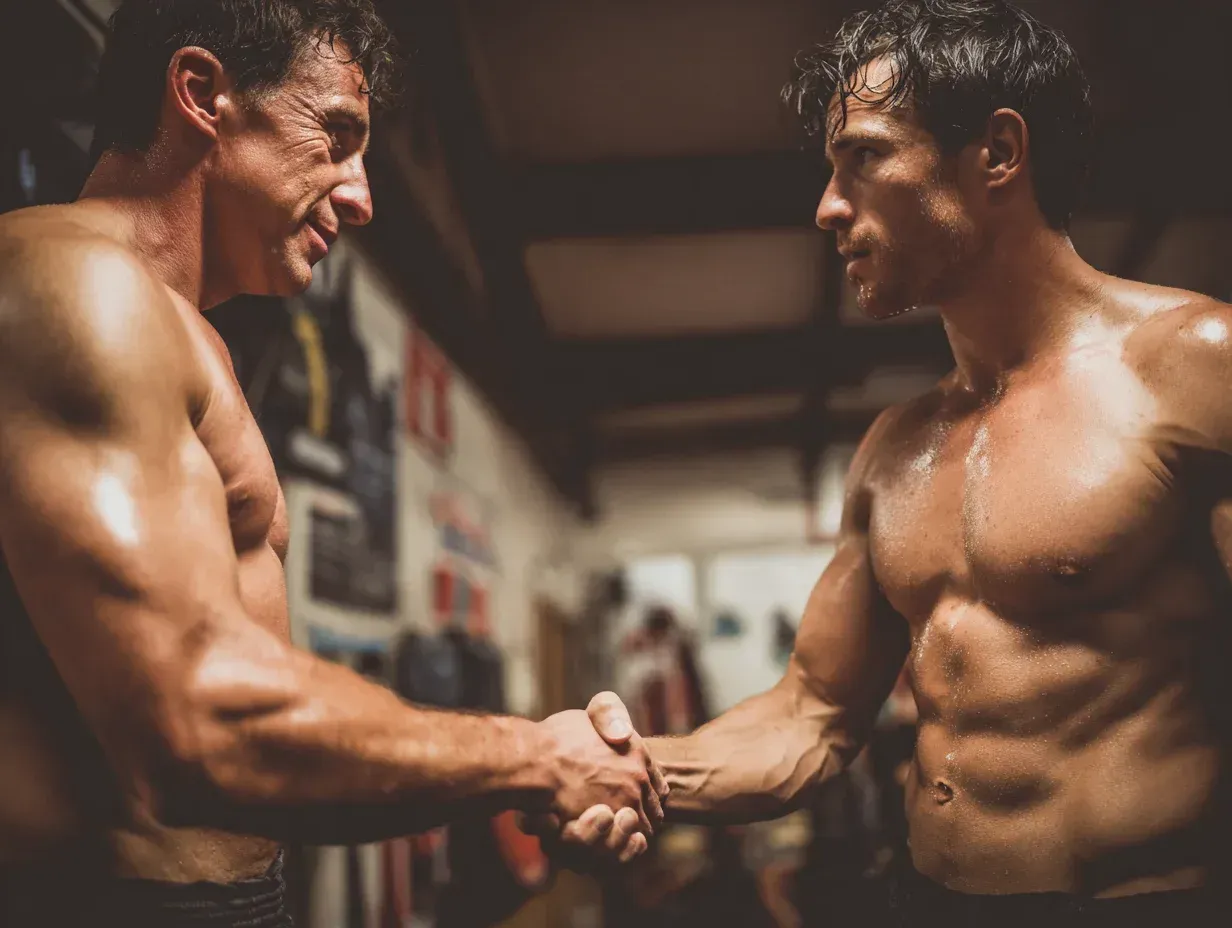
Mindfulness is often associated with stillness—meditation, silence, slow breathing. Boxing seems like the opposite: fast, physical, demanding. Yet boxing is one of the most effective ways to train mindfulness in motion.
When done correctly, boxing pulls you fully into the present moment.
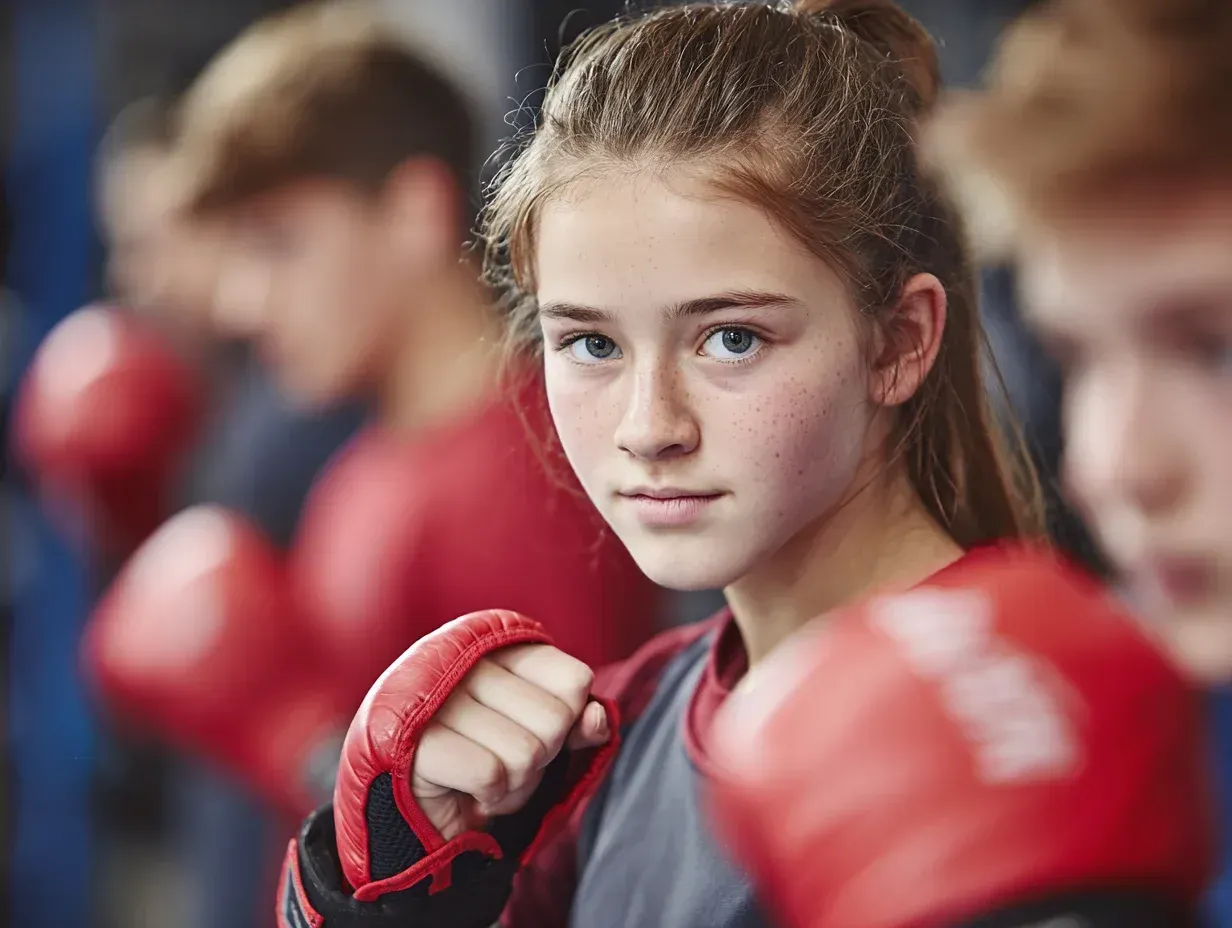
Discipline isn’t about motivation or willpower—it’s about consistent behavior under imperfect conditions. That’s why boxing is such a powerful teacher of discipline. It doesn’t reward shortcuts, excuses, or bursts of effort. It rewards preparation, patience, and repetition.
For many people, boxing becomes more than a