
Boxing for Kids: Safety Tips for Parents
Boxing for kids is growing in popularity—and for good reason. When taught correctly, boxing helps children build confidence, coordination, discipline, and fitness. But for parents, safety is always the top concern.
The good news? Youth boxing is very safe when done properly. Most kids’ boxing programs focus on skill, movement, and fitness—not fighting. This guide walks parents through key safety tips to ensure boxing is a positive, healthy experience for children.
Understand What Youth Boxing Really Is
Before worrying about safety, it’s important to know what kids’ boxing actually involves.
Youth Boxing Is NOT:
- Full-contact fighting
- Knockouts or heavy sparring
- Uncontrolled aggression
Youth Boxing IS:
- Technique and movement training
- Fitness and coordination drills
- Non-contact or very light contact
- Structured, coach-led sessions
For most kids, boxing looks more like athletic training than combat.
Choose the Right Boxing Program
The biggest safety factor is where and how your child trains.
What to Look For in a Youth Boxing Gym
- Certified, experienced coaches
- Clear rules around safety and behavior
- Age-appropriate class structure
- Emphasis on technique over power
- Clean, organized training space
A good gym prioritizes development and safety over competition.
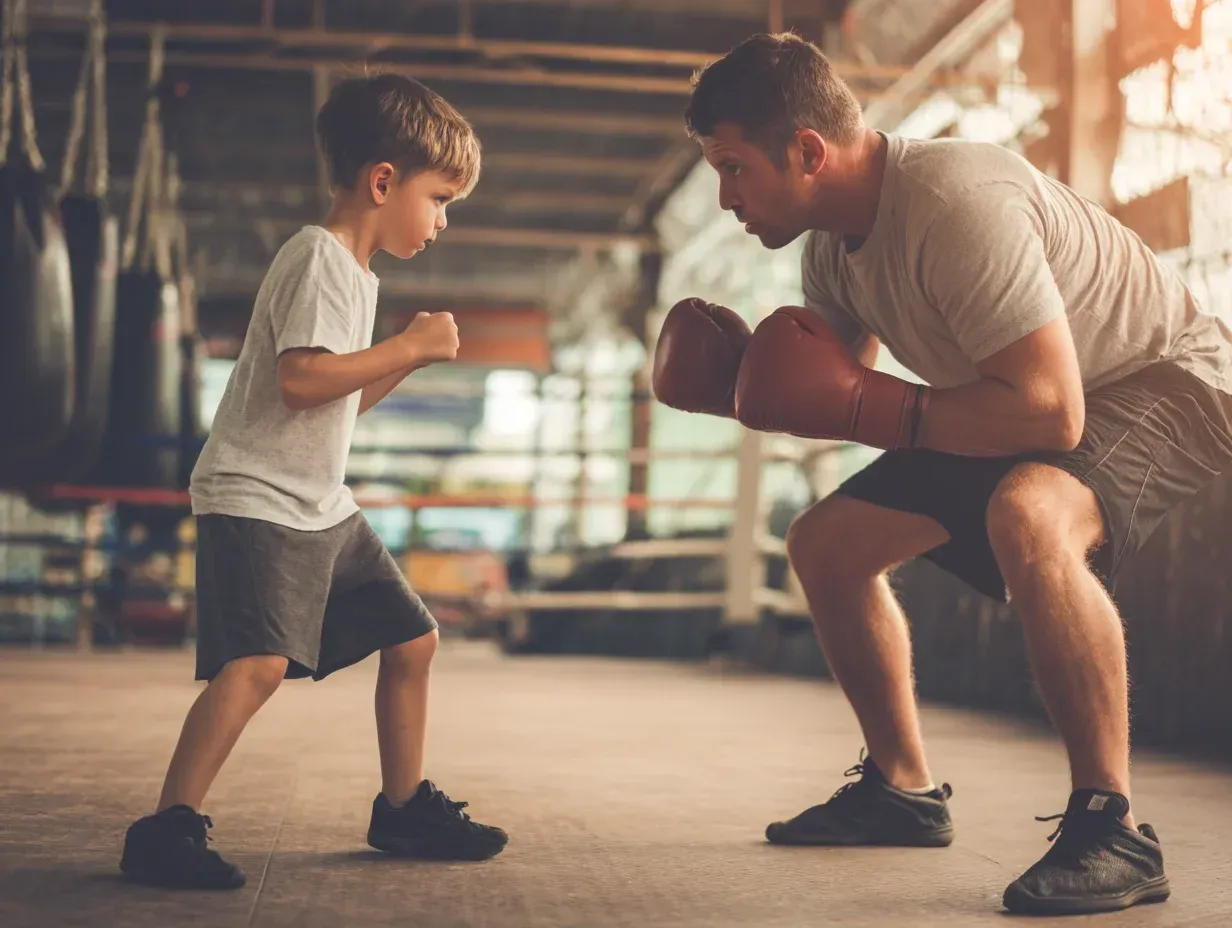
Ask About Sparring Policies
One of the most important questions parents should ask:
“Do kids spar?”
Safe Youth Programs:
- Do NOT require sparring for younger kids
- Introduce controlled sparring only for teens who choose it
- Use strict supervision and protective gear
- Never pressure kids to spar
Many kids train for years without ever sparring—and still gain all the benefits.
Make Sure Proper Protective Gear Is Used
Correct equipment dramatically reduces injury risk.
Essential Boxing Gear for Kids
- Hand wraps: Protect hands and wrists
- Boxing gloves: Correct size and padding
- Mouthguard: Required for any contact drills
- Headgear (if sparring): Reduces impact risk
Coaches should help ensure proper fit and usage.
Focus on Technique Before Power
In youth boxing, technique always comes first.
Good programs teach kids to:
- Punch with control
- Keep proper posture and balance
- Move their feet correctly
- Breathe and stay relaxed
Kids should never be encouraged to punch as hard as possible. Control is the priority.
Monitor Class Size and Supervision
Safety depends on attention.
Red Flags to Avoid
- Large classes with little supervision
- Coaches distracted or overwhelmed
- Kids left unsupervised during drills
Smaller class sizes and attentive coaches reduce accident risk significantly.
Encourage Open Communication With Your Child
Your child’s experience matters.
Talk regularly about:
- How classes feel
- Whether anything hurts
- Comfort level with drills
- Enjoyment and motivation
Kids should feel safe speaking up—and coaches should respect boundaries.
Start Slow and Progress Gradually
More is not always better, especially for kids.
Safe Training Frequency
- 2–3 sessions per week
- 45–60 minutes per session
- Focus on fun and skill development
- Avoid overtraining, which increases injury risk and burnout.

Pay Attention to Growth and Fatigue
Children’s bodies are still developing.
Watch for:
- Persistent soreness
- Joint pain (especially wrists, shoulders, knees)
- Fatigue or lack of enthusiasm
- Changes in sleep or mood
Rest and recovery are just as important as training.
Teach Respect and Emotional Control
Good boxing programs emphasize character as much as physical skills.
Kids learn:
- Respect for coaches and peers
- Self-control under excitement or frustration
- How to manage emotions constructively
This reduces aggression and increases emotional safety.
Understand That Boxing Can Improve Safety Overall
Ironically, boxing can make kids safer.
Boxing helps children:
- Develop balance and coordination (fewer falls)
- Build body awareness
- Improve confidence and posture
- Learn boundaries and self-control
These skills reduce risk in sports and daily life.
Boxing vs Other Contact Sports
Many parents are surprised to learn that boxing can be safer than some mainstream youth sports.
Compared to:
- Football
- Hockey
- Rugby
Youth boxing often involves less impact, more supervision, and stricter control—especially when sparring is limited or optional.
Common Myths That Worry Parents
“Boxing will make my child aggressive”
Well-run boxing programs teach discipline, not aggression.
“My child will get hurt”
With proper coaching and equipment, injury rates are low.
“Boxing is only for tough kids”
Boxing benefits shy, energetic, athletic, and non-athletic children alike.
Signs a Boxing Program Is NOT Right
Trust your instincts.
Consider leaving if:
- Safety rules aren’t enforced
- Coaches encourage uncontrolled contact
- Kids are pressured into sparring
- Your child feels anxious or unsafe
- A good program should make your child feel confident, not fearful.
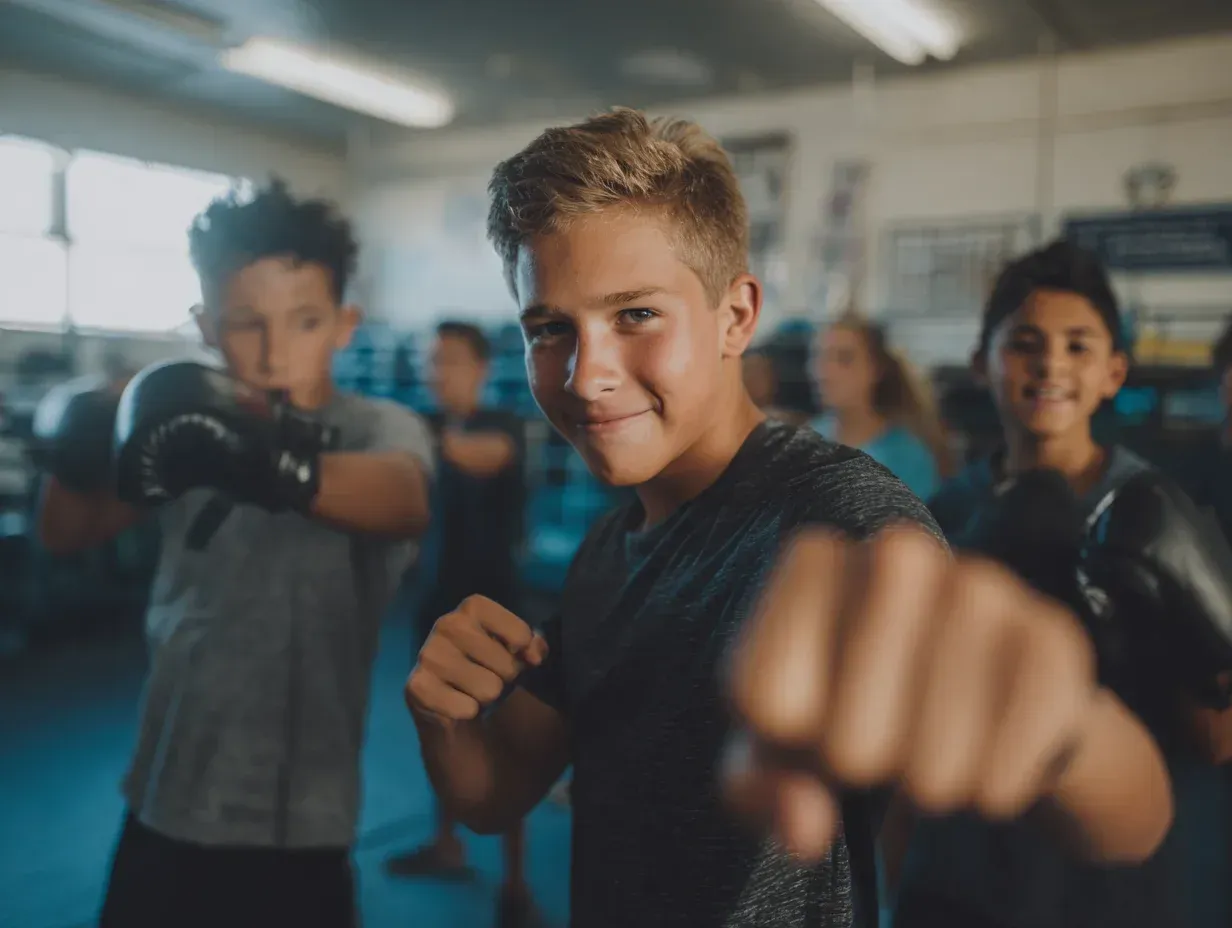
How Parents Can Support Safe Boxing Training
- Attend or observe classes when possible
- Communicate with coaches regularly
- Ensure proper gear is maintained
- Encourage rest, hydration, and nutrition
- Keep expectations focused on growth—not performance
Parental involvement enhances safety.
Final Thoughts: Boxing Can Be Safe, Positive, and Powerful
When done correctly, boxing for kids is not dangerous—it’s developmental.
It builds:
- Physical fitness
- Confidence
- Discipline
- Emotional regulation
Safety comes from structure, coaching, communication, and proper progression.
For parents who choose the right program and stay involved, boxing can be one of the safest and most beneficial activities a child can experience.