
Why Boxing Builds Discipline in Young Athletes
Discipline is one of the most valuable traits a young athlete can develop—and one of the hardest to teach. It’s not learned through lectures or rules alone. Discipline is built through consistent structure, accountability, and repeated effort under guidance.
That’s why boxing is such a powerful developmental sport for young athletes. When taught properly, boxing instills habits and mindsets that shape how kids train, learn, and carry themselves—both in sports and in life.
Discipline Is a Skill, Not a Personality Trait
Some kids appear naturally disciplined, but in reality, discipline is learned.
Young athletes develop discipline when they:
- Follow structured routines
- Practice fundamentals repeatedly
- Accept coaching and correction
- Learn to manage effort and emotion
Boxing provides all of these elements in a clear, consistent way.
Boxing Is Built on Structure and Routine
Every boxing session follows a predictable structure:
- Warm-up
- Skill drills
- Conditioning
- Cool-down
This repetition teaches young athletes the value of showing up prepared and focused, regardless of mood or energy levels.
Over time, structure becomes habit—and habit becomes discipline.
Fundamentals Are Non-Negotiable in Boxing
Boxing does not reward shortcuts.
Young athletes must:
- Practice footwork daily
- Repeat basic punches
- Maintain guard and posture
- Focus on technique before speed or power
Progress comes from mastering the basics, not skipping ahead. This teaches patience and respect for the learning process—core elements of discipline.
Boxing Teaches Consistency Over Talent
Natural athletic ability can carry kids only so far.
In boxing:
- Inconsistent effort shows immediately
- Conditioning reflects preparation
- Technique reveals practice habits
Young athletes quickly learn that
consistent work beats raw talent. This lesson reshapes how they approach training, school, and goals.
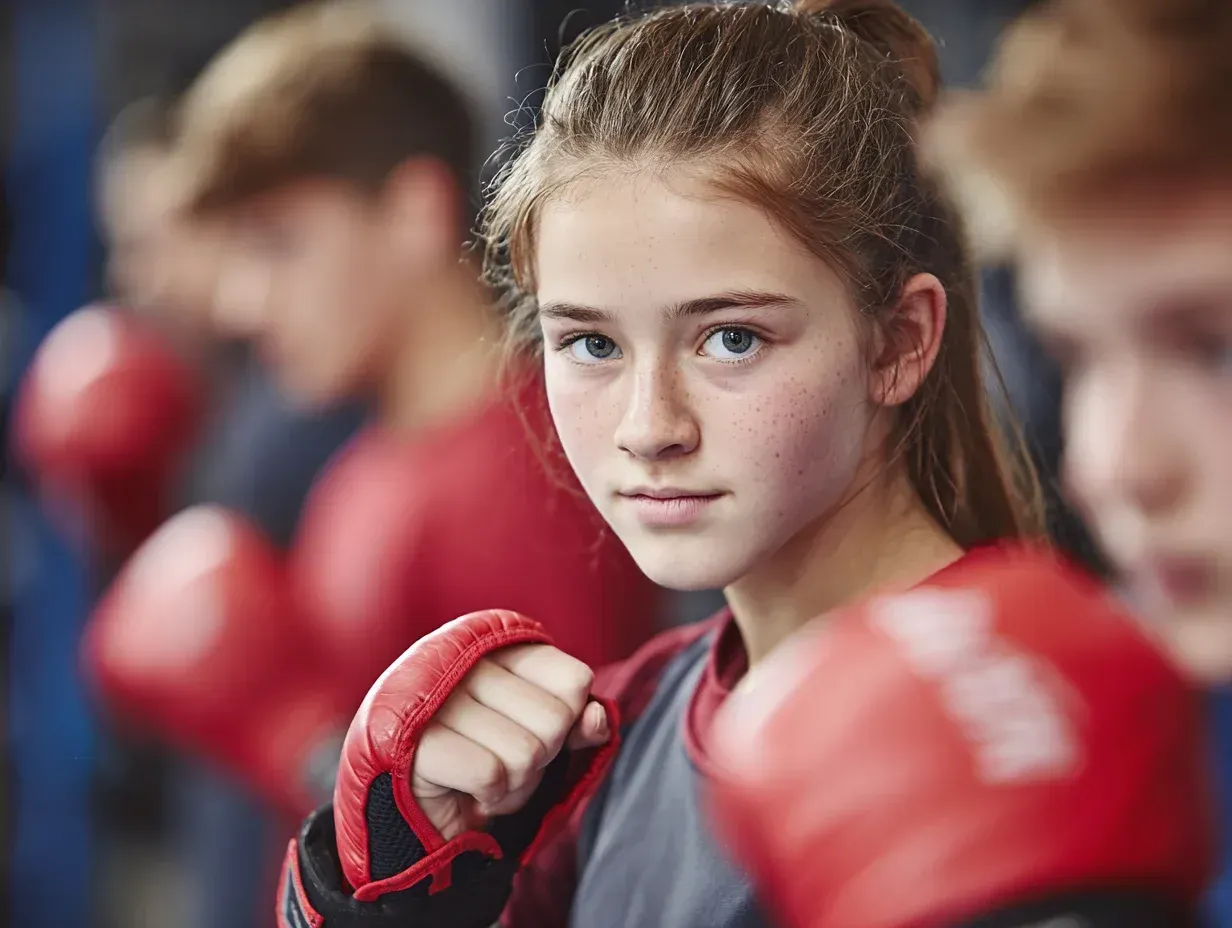
Learning to Follow Coaching and Instruction
Discipline includes the ability to listen and apply feedback.
Boxing requires young athletes to:
- Pay attention to detail
- Follow instructions precisely
- Accept correction without ego
- Adjust behavior quickly
This builds coachability—a trait that benefits athletes in every sport and setting.
Boxing Trains Emotional Control Under Pressure
Young athletes often struggle with frustration, excitement, or nerves.
Boxing teaches emotional discipline by:
- Requiring calm breathing under effort
- Encouraging focus despite fatigue
- Reinforcing control over aggression
- Teaching recovery after mistakes
Athletes learn that emotional reactions affect performance—and that control leads to improvement.
Accountability Is Immediate and Honest
In boxing, effort and preparation are visible.
Young athletes experience:
- Clear cause-and-effect outcomes
- Immediate feedback from drills
- Honest reflection of conditioning levels
There’s no hiding from effort. This builds personal accountability and responsibility—cornerstones of discipline.
Boxing Builds Time and Commitment Discipline
Training requires commitment.
Young boxers learn to:
- Arrive on time
- Prepare gear properly
- Balance training with school
- Respect schedules and routines
These habits naturally improve time management and responsibility outside the gym.
Progress Is Earned, Not Given
Boxing progression is gradual.
Young athletes must:
- Train consistently to improve
- Earn advanced drills or responsibilities
- Accept slow, steady growth
This teaches delayed gratification—an increasingly rare but essential life skill.
Boxing Encourages Self-Discipline, Not External Pressure
While coaches provide guidance, boxing ultimately develops internal discipline.
Young athletes begin to:
- Self-correct technique
- Push through challenging rounds
- Take pride in preparation
- Hold themselves to higher standards
- Discipline becomes self-driven, not enforced.
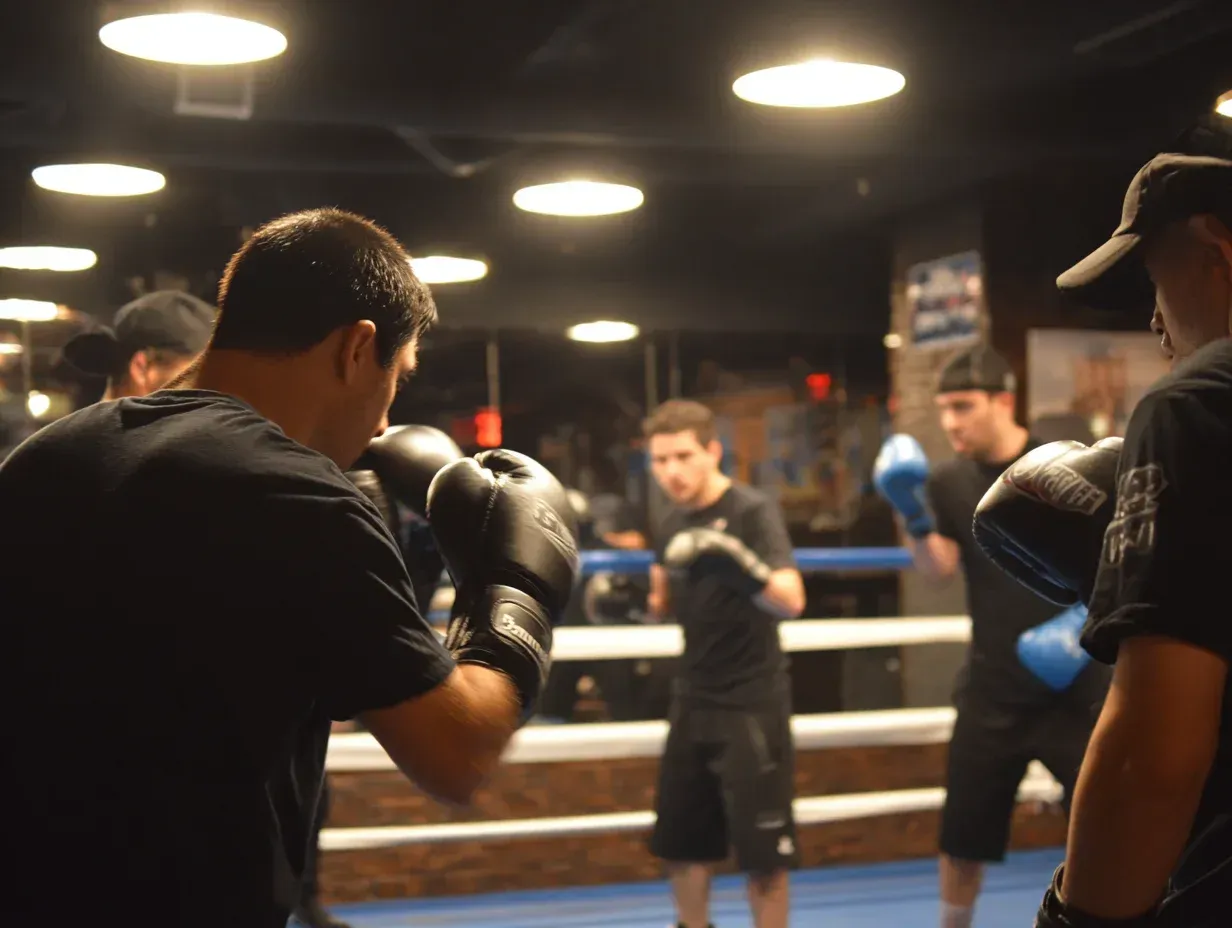
Discipline Without Aggression
A common misconception is that boxing promotes aggression.
In reality, quality youth boxing programs emphasize:
- Control over force
- Respect over dominance
- Focus over emotion
True discipline in boxing means knowing when to act and when to restrain, a valuable lesson for young athletes.
How Boxing Discipline Transfers to Other Sports
Young athletes who box often perform better in:
- Team sports (due to focus and conditioning)
- Individual sports (due to accountability)
- Competitive environments (due to composure)
Boxing builds transferable discipline that enhances overall athletic development.
Discipline Beyond Sports: School and Life Benefits
The discipline learned in boxing carries into:
- Improved focus in school
- Better study habits
- Stronger self-control
- Increased confidence and self-respect
Parents and coaches often notice positive behavioral changes within weeks.
Boxing vs Other Youth Sports for Discipline
Boxing Stands Out Because:
- Progress is individual and visible
- Effort is clearly rewarded
- Structure is consistent
- Discipline is practiced every session
While team sports also build discipline, boxing offers a uniquely direct and personal learning environment.
How Often Should Young Athletes Train?
Discipline grows through consistency—not overload.
Recommended
- 2–3 sessions per week
- 45–60 minutes per session
- Emphasis on quality over quantity
Enjoyment and sustainability matter.
Signs Boxing Is Building Discipline in a Young Athlete
Look for:
- Improved focus during training
- Better listening and follow-through
- Increased responsibility at home or school
- Greater emotional control
- Pride in effort and improvement
- These are signs of real development.
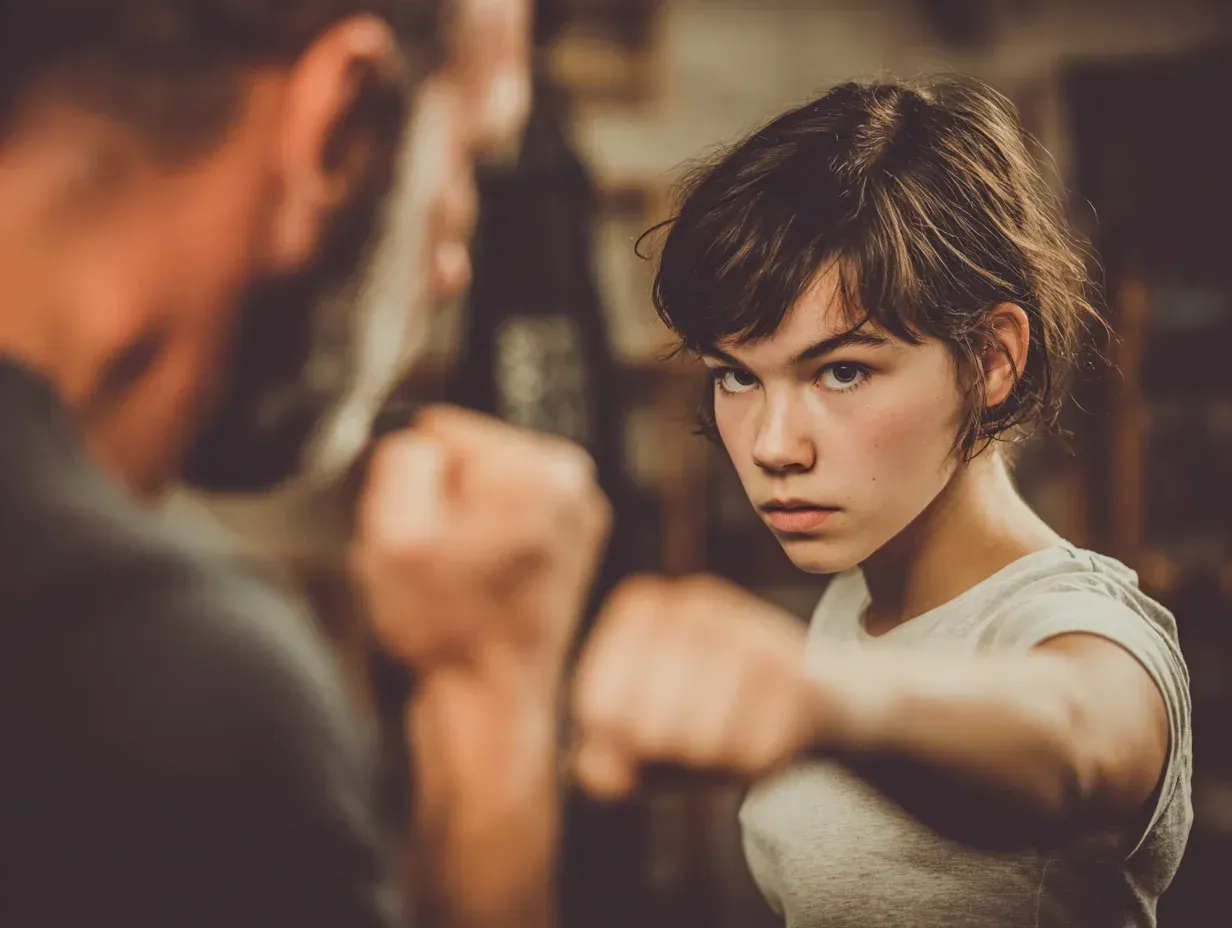
The Role of Coaches and Parents
Discipline thrives when adults:
- Reinforce consistency
- Praise effort, not just results
- Encourage patience and growth
- Model disciplined behavior
Boxing works best as a partnership between coaches, parents, and athletes.
Final Thoughts: Discipline Is the Real Victory
Boxing for young athletes isn’t about winning fights—it’s about building character.
Through structure, repetition, accountability, and controlled challenge, boxing teaches discipline in a way few activities can.
That discipline becomes:
- A competitive advantage
- A personal strength
- A lifelong skill
And long after gloves are hung up, the habits remain.