
Why Boxing Is One of the Best Full-Body Workouts
If you’re looking for a workout that builds strength, burns fat, improves conditioning, sharpens coordination, and strengthens mental resilience—all at once—boxing is hard to beat.
Boxing isn’t just about punching. It’s a true full-body workout that trains your upper body, lower body, core, cardiovascular system, and nervous system simultaneously. Few forms of exercise offer this level of efficiency and carryover to real life.
This article explains why boxing is one of the best full-body workouts and what makes it so effective.
What Makes a Workout “Full Body”?
A true full-body workout:
- Engages multiple muscle groups at once
- Trains strength and endurance together
- Requires coordination and balance
- Elevates heart rate and breathing
- Improves movement quality, not just muscle size
Boxing checks every one of these boxes.
Boxing Trains the Entire Body—Not Just the Arms
A common misconception is that boxing is all about upper-body strength. In reality, punches start from the ground up.
Every punch involves:
- Legs driving force
- Hips rotating
- Core bracing
- Shoulders and arms delivering impact
This kinetic chain is what makes boxing so effective.
Lower Body: Power, Stability, and Endurance
Boxing heavily trains the lower body, often without people realizing it.
How Boxing Works the Legs
- Footwork builds agility and coordination
- Constant movement improves endurance
- Squats and pivots develop strength
- Balance is trained under fatigue
Your legs are working the entire time—even when you’re not punching.
Core: Constant Engagement and Rotation
The core is the engine of boxing.
Boxing trains the core through:
- Rotational punches
- Anti-rotation stability
- Bracing during movement
- Maintaining posture under fatigue
Unlike isolated ab exercises, boxing trains the core functionally, the way it’s meant to work in real life.
Upper Body: Lean Strength and Muscular Endurance
Boxing develops strong, toned upper-body muscles without excessive bulk.
Key areas trained include:
- Shoulders (endurance and stability)
- Arms (speed and control)
- Chest and back (punch mechanics and posture)
- Grip and forearms (control and stamina)
Because boxing uses high reps and continuous movement, it builds lean, athletic strength.
Cardiovascular System: Strength + Cardio Combined
One of boxing’s biggest advantages is that it trains strength and cardio at the same time.
Boxing improves:
- Aerobic endurance (sustained movement)
- Anaerobic capacity (short explosive bursts)
- Recovery between efforts
- Breathing control under stress
This makes boxing far more efficient than separating cardio and strength into different sessions.
Boxing Burns a High Number of Calories
Because boxing is full-body and high-intensity, it burns significant calories in a short time.
Typical boxing sessions burn:
- 500–800+ calories per hour
- Even more with high-intensity rounds
It also creates a strong afterburn effect, meaning you continue burning calories after training ends.
Boxing Improves Coordination and Athleticism
A full-body workout should improve how you move—not just how you look.
Boxing enhances:
- Hand-eye coordination
- Timing and rhythm
- Balance and spatial awareness
- Reaction speed
These skills transfer well to other sports and daily activities.
Boxing Trains the Nervous System
Boxing isn’t just physical—it’s neurological.
You’re constantly:
- Processing visual input
- Making split-second decisions
- Coordinating movement under fatigue
- Staying focused under pressure
This trains your brain and nervous system alongside your muscles.

Mental Benefits Are Built Into the Workout
Because boxing demands presence and effort, mental benefits come naturally.
Boxing supports:
- Stress relief
- Improved focus
- Emotional regulation
- Confidence and resilience
Few workouts engage the mind as deeply as boxing does.
Boxing Is Time-Efficient
Many people don’t have time for long workouts.
Boxing delivers full-body benefits in:
- 30–60 minute sessions
- Minimal equipment
- High return on time invested
You don’t need separate leg day, arm day, and cardio day—boxing covers them all.
Scalable for All Fitness Levels
Boxing works for beginners and advanced athletes alike.
It can be scaled by:
- Adjusting intensity
- Modifying combinations
- Changing round length
- Reducing or increasing rest
You don’t need to be fit to start—you get fit by training.
Boxing vs Traditional Gym Workouts
Boxing Offers:
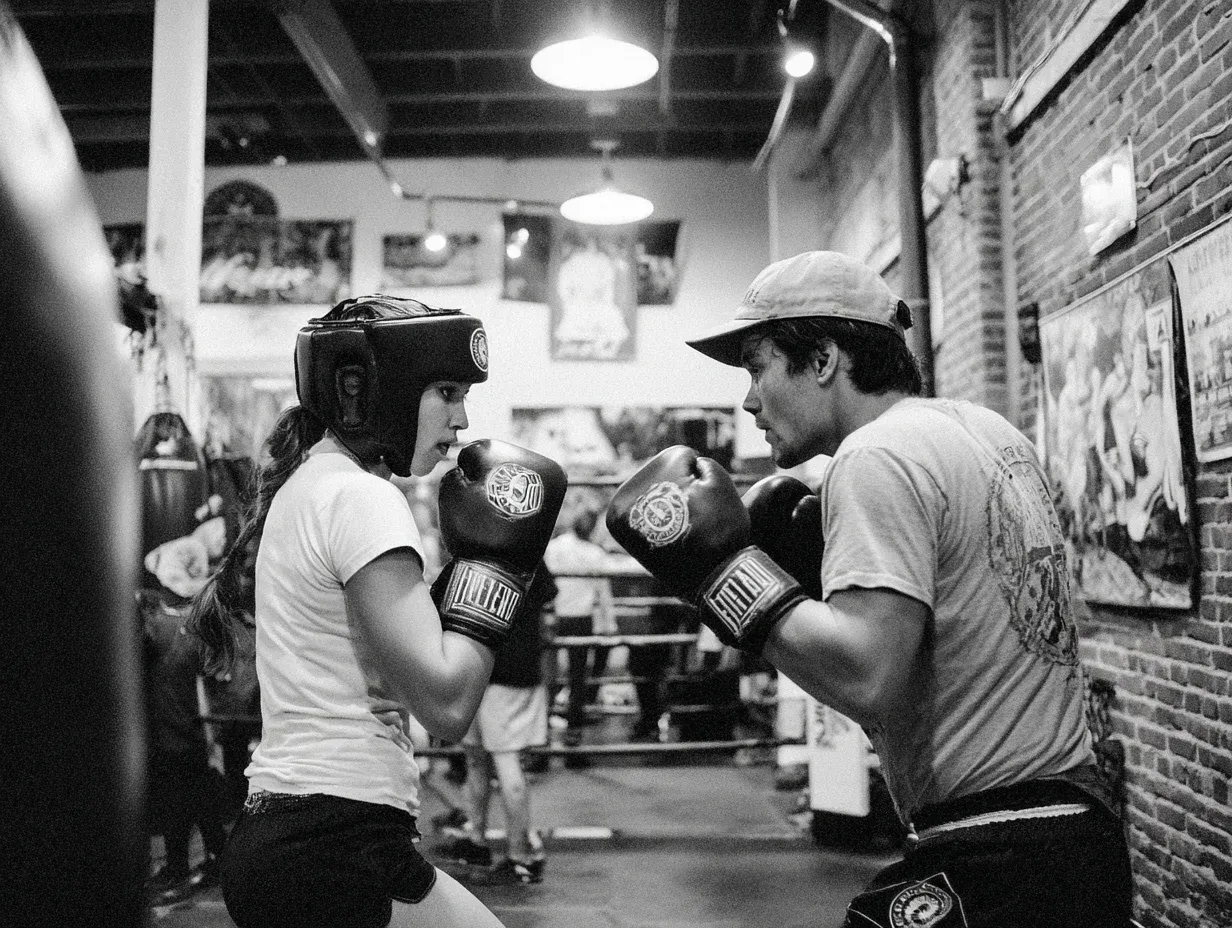
- Full-body engagement every session
- Skill development and progression
- Better calorie burn per minute
- Improved athletic movement
Traditional Splits Often:
- Isolate muscle groups
- Require longer weekly time commitment
- Separate cardio and strength
- Lack coordination and movement training
- Boxing is more efficient and functional.
Boxing vs Cardio-Only Workouts
Cardio-only workouts improve endurance but often neglect strength.
Boxing:
- Builds strength and endurance together
- Preserves lean muscle mass
- Improves power and coordination
- Keeps training engaging
This makes it more effective for long-term fitness.
How Often Should You Box for Full-Body Results?
Most people see excellent results with:
- 2–4 sessions per week
- 30–60 minutes per session
Consistency matters more than volume.
How Long Until You See Results?
With regular boxing training:
- 1–2 weeks: improved energy and coordination
- 3–4 weeks: visible fitness and conditioning gains
- 6–8 weeks: noticeable body composition and confidence changes
Results come faster than many expect.
Common Myths About Boxing as a Workout
“Boxing is only for fighters.”
Most people box for fitness and health.
“It’s too intense for beginners.”
Intensity is fully scalable.
“You need to spar.”
You don’t—fitness boxing requires no sparring.
Final Thoughts: Boxing Does More With Less
Boxing stands out because it doesn’t specialize in just one thing—it improves everything at once.
It builds:
- Strength
- Endurance
- Coordination
- Mental resilience
- Confidence
All in one workout.
If you want a full-body workout that challenges your body, sharpens your mind, and fits into a busy life, boxing isn’t just a good option—it’s one of the best.