
Boxing for Kids in Vancouver: A Guide for Parents
Boxing isn’t just a sport — for kids it can be a fun, confidence-building activity that teaches focus, discipline, coordination, and healthy habits. When taught in a structured, age-appropriate setting, kids learn fundamentals like footwork, punches, and respect for others while staying safe and active.
This guide helps parents understand what to look for in kids’ boxing programs in Vancouver, why it can be a great choice, and where to find reputable local classes.
Why Boxing Can Be Great for Kids
Boxing programs for youth are usually designed very differently from adult sparring-oriented training. Good kids’ classes focus on:
- Fundamentals and technique: Basic stance, movement, and controlled punching
- Fitness and coordination: Balance, speed, and conditioning
- Discipline and confidence: Structured drills, progression, and personal achievement
- Fun and social connection: Games, pad drills, and positive group energy
These classes are typically non-contact at early stages — sparring is optional and only introduced when a kid is ready and under strict supervision.
How Kids’ Boxing Classes Work
Age-Appropriate Skill Levels
Many boxing gyms split youth programs by age:
- Young kids (e.g., 4–7): Games, basic movements, simple coordination drills
- Elementary teens (8–11): Introduction to punches, footwork, and pad drills
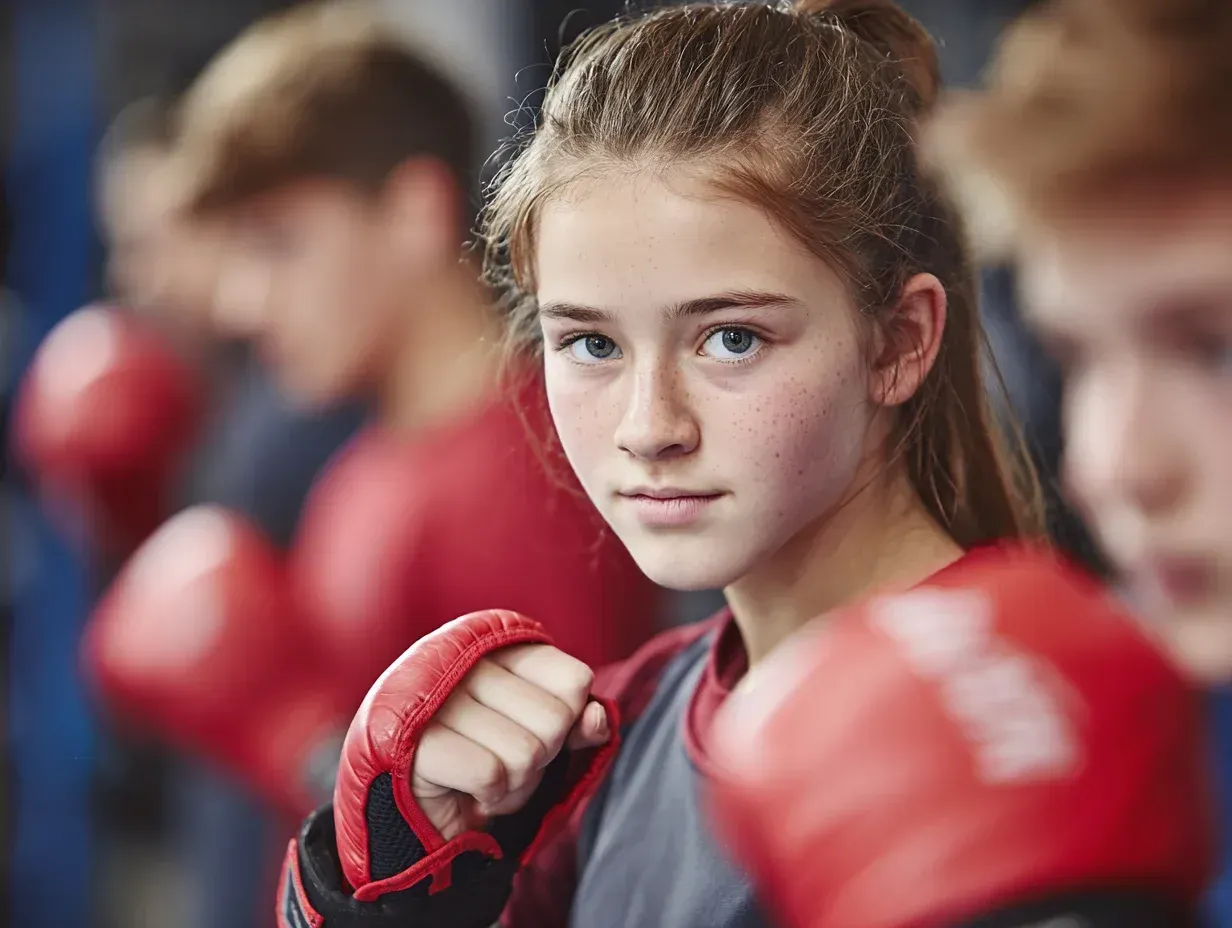
- Older youth (12–16): Progressive skill building with optional controlled sparring and advanced technique
What to Look for in a Kids’ Boxing Program
Here’s what parents should consider when evaluating options:
👍 Safety and Non-Contact Emphasis
Top youth programs prioritize non-contact training and introduce sparring only when kids are physically and emotionally ready. Many classes keep sparring optional and focus first on technique and drills.
👟 Age-Appropriate Coaching
Look for instructors experienced with kids, using positive reinforcement and structured skill progressions rather than adult-style intensity.
📏 Structured Curriculum
Programs with clear levels or progression (like colored wrap systems, belts, badges, etc.) help kids see tangible achievements and goals.
👨👩👧👦 Supportive Environment
A positive, respectful class atmosphere helps kids build confidence without fear of judgment.
🛡️ Safety Protocols
Check that equipment is child-sized, supervised closely, and that class sizes are manageable for proper coaching.
What Kids Typically Learn
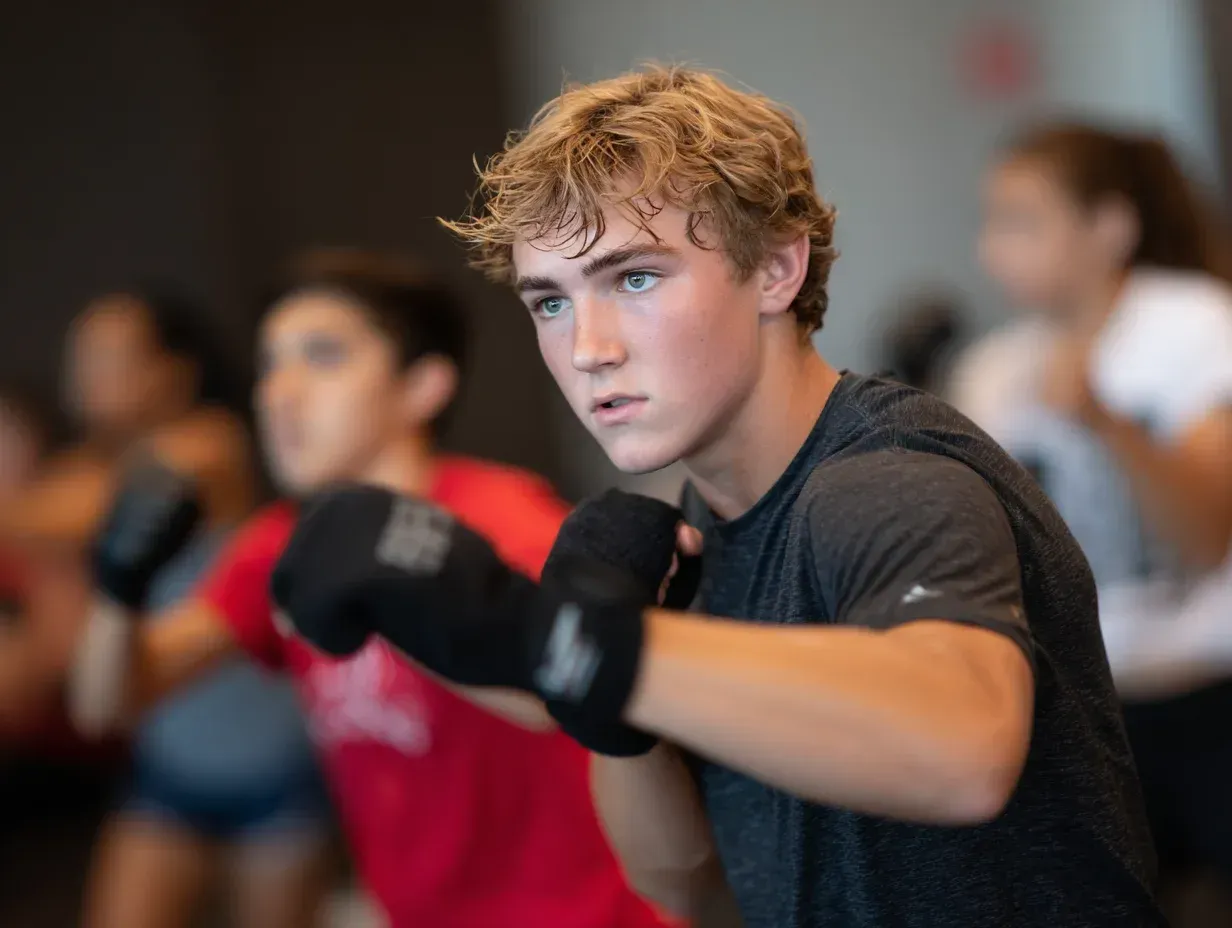
In a youth boxing program, kids often learn:
- Proper stance and balance
- Jab, cross, hook, uppercut basics
- Defensive movement and head control
- Footwork and agility drills
- Conditioning and fitness (skip rope, agility ladders)
- Respect, discipline, and teamwork
- These foundational skills help kids stay physically active while growing self-discipline and self-confidence.
How to Get Started
1. Visit a Trial Class
Most gyms offer trial sessions — great for seeing if your child feels comfortable and enjoys the environment.
2. Gear Up Properly
Ensure your child has:
- Proper boxing gloves and hand wraps
- Athletic shoes with good traction
- A mouthguard if sparring is involved later
- Comfortable athletic clothing
Good fit = safer, more enjoyable training.
3. Ask About Sparring Policies
Make sure you understand when and how sparring is introduced so you can make an informed choice based on your child’s age and comfort.
FAQs Parents Ask
Is boxing safe for kids?
Yes — when it’s taught in a structured, age-appropriate program that prioritizes technique, non-contact instruction, and safety over competition.
What age can kids start?
Many programs start as young as
5–7 years for basic fundamentals, with more advanced classes for older kids and teens.
Will they spar?
Good programs don’t force sparring. It’s optional and only introduced when kids are ready, under strict supervision.
Final Thoughts
Boxing can be an excellent choice for kids in Vancouver — not just for physical fitness, but for building confidence, focus, discipline, and resilience. By choosing a reputable program with coaches who understand youth development, parents help their children enjoy the sport safely and meaningfully.