
How to Prepare for Your First Amateur Boxing Match in Vancouver
Your first amateur boxing match is a big step. It’s exciting, intimidating, and deeply rewarding—but only if you prepare properly. In Vancouver, amateur boxing follows structured rules, safety standards, and competitive expectations. Walking in unprepared isn’t just uncomfortable—it’s unsafe.
This guide breaks down exactly how to prepare for your first amateur bout in Vancouver, physically, mentally, and logistically.
Understand What “Amateur Boxing” Means in Vancouver
Amateur boxing in BC is governed by Boxing BC and follows strict safety and competition standards.
What to expect:
- Headgear (in most novice divisions)
- Olympic-style scoring
- Shorter rounds (typically 3 x 2 minutes for novices)
- Medical checks and weigh-ins
- Mandatory registered coach and gym affiliation
This is not an unsanctioned fight. Preparation matters.
Step 1: Choose the Right Gym and Coach
You cannot compete alone.
To fight amateur in Vancouver, you must:
- Train at a registered boxing gym
- Be licensed through Boxing BC
- Have a coach who corners you
What a Competition-Ready Gym Should Provide
- Structured sparring
- Fight conditioning (not just fitness classes)
- Experience with amateur bouts
- Clear competition pathway
If your gym doesn’t regularly send fighters to amateur competitions, it’s a red flag.
Step 2: Build a Realistic Timeline
Most first-time fighters need 12–16 weeks of focused preparation.
Typical Timeline
- Weeks 1–4: Conditioning + technical cleanup
- Weeks 5–8: Controlled sparring + ring IQ
- Weeks 9–12: Harder sparring + fight simulation
- Final 2–3 weeks: Taper, weight management, mental prep
- Trying to rush this is one of the biggest beginner mistakes.
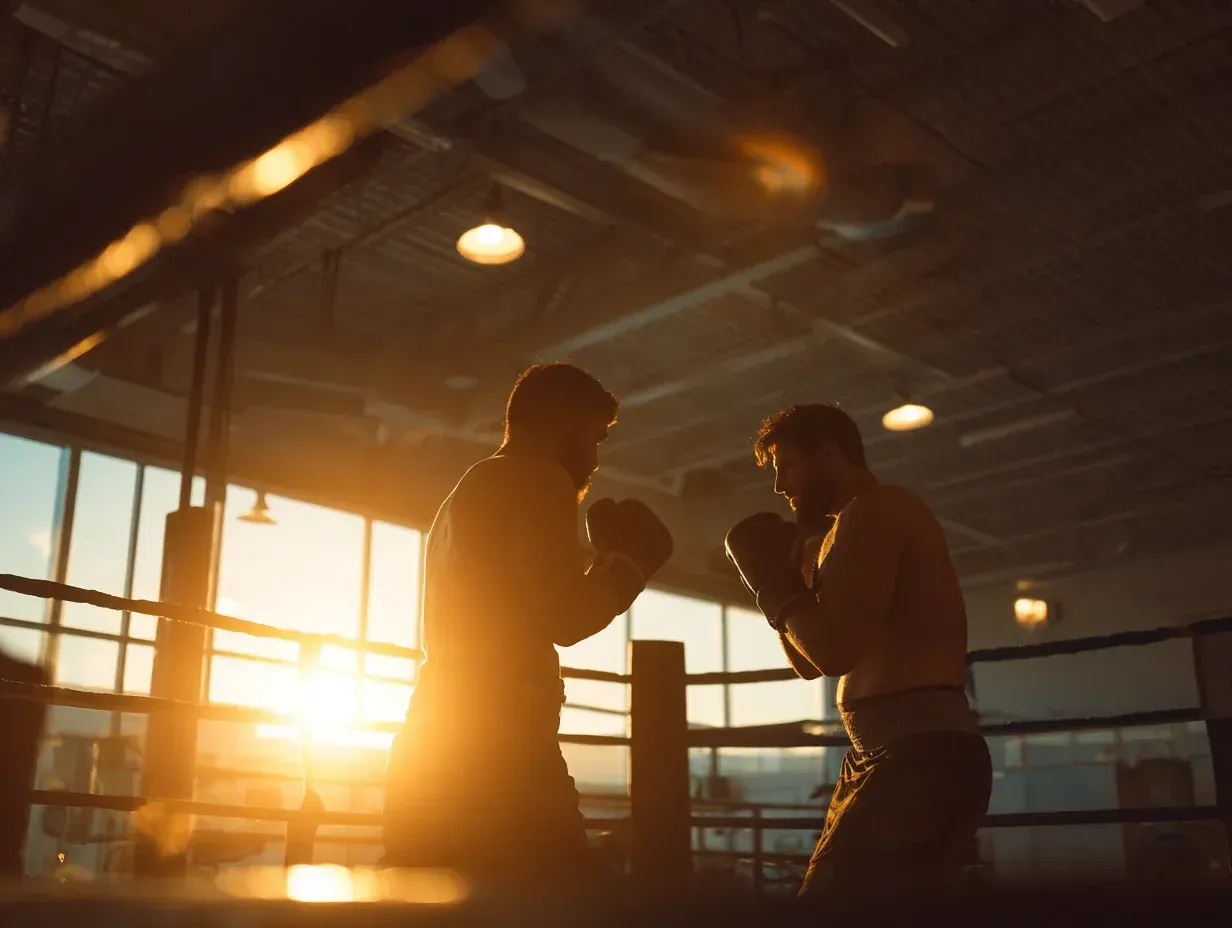
Step 3: Get Your Conditioning to Match Fight Reality
Boxing fitness is specific.
You need:
- Anaerobic endurance (explosive bursts)
- Ability to recover between rounds
- Composure while fatigued
Conditioning Benchmarks (Novice Level)
- 3–5 rounds of hard pad work without form breakdown
- 3+ rounds of controlled sparring without gassing
- Ability to maintain guard and footwork late in rounds
Roadwork, skipping, bag rounds, and interval conditioning are non-negotiable.
Step 4: Spar—But Spar Smart
You don’t prepare for a fight without sparring.
What Good Sparring Looks Like
- Multiple partners
- Controlled intensity early, harder later
- Coach supervision at all times
- Focus on learning, not “winning”
If you’re avoiding sparring, you’re not ready to fight.
Step 5: Dial in Your Technique (Don’t Overcomplicate)
Your first fight is not about being flashy.
Focus on:
- Solid jab
- Basic combinations (1–2, 1–2–3)
- Guard discipline
- Simple defense (high guard, step-outs)
- Ring movement and balance
Clean basics win amateur fights—not highlight reels.
Step 6: Understand Weight Classes and Weight Cutting
Weight management is a major factor.
Key Rules
- You must weigh in on fight day
- Extreme weight cuts are discouraged at novice level
- Missing weight can cancel your bout
Smart First-Fight Advice
- Fight close to your natural weight
- Avoid drastic water cuts
- Prioritize performance over scale numbers
- A well-fueled boxer beats a drained one every time.
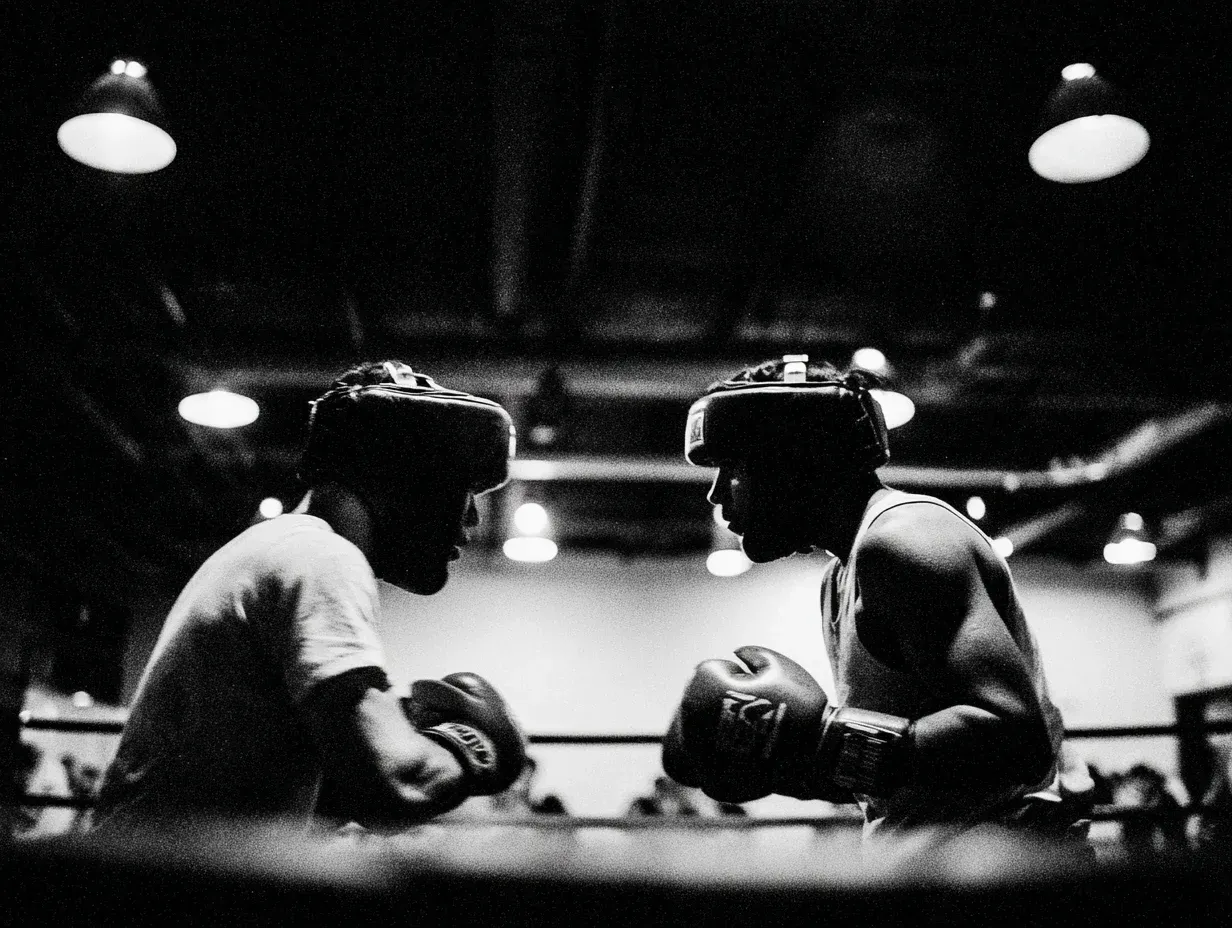
Step 7: Get Your Medicals and Paperwork Done Early
In Vancouver, you’ll need:
- Boxing BC license
- Medical exam
- Blood work (as required)
- Proof of gym registration
Do this weeks in advance, not last minute.
Paperwork delays are a common reason first fights get postponed.
Step 8: Prepare Mentally (This Is Bigger Than Fitness)
Your first fight will trigger nerves—this is normal.
Common first-fight fears:
- Freezing up
- Gassing out
- Forgetting technique
- Letting your coach down
Mental Preparation Tips
- Simulate fight night in training
- Practice ring walk mindset
- Focus on execution, not outcome
- Accept nerves instead of fighting them
Confidence comes from preparation, not bravado.
Step 9: Do Fight Simulations
In the final weeks, training should resemble fight night.
Simulate:
- Ring entry
- Glove touch
- Round structure
- Corner advice between rounds
- Adrenaline spikes
Nothing should feel “new” on fight day.
Step 10: Fight Week Strategy
Final Week Checklist
- No hard sparring
- Maintain light movement and sharpness
- Sleep well
- Eat clean, familiar foods
- Stay hydrated
- Trust the work
Your job is not to get fitter this week—it’s to arrive fresh.
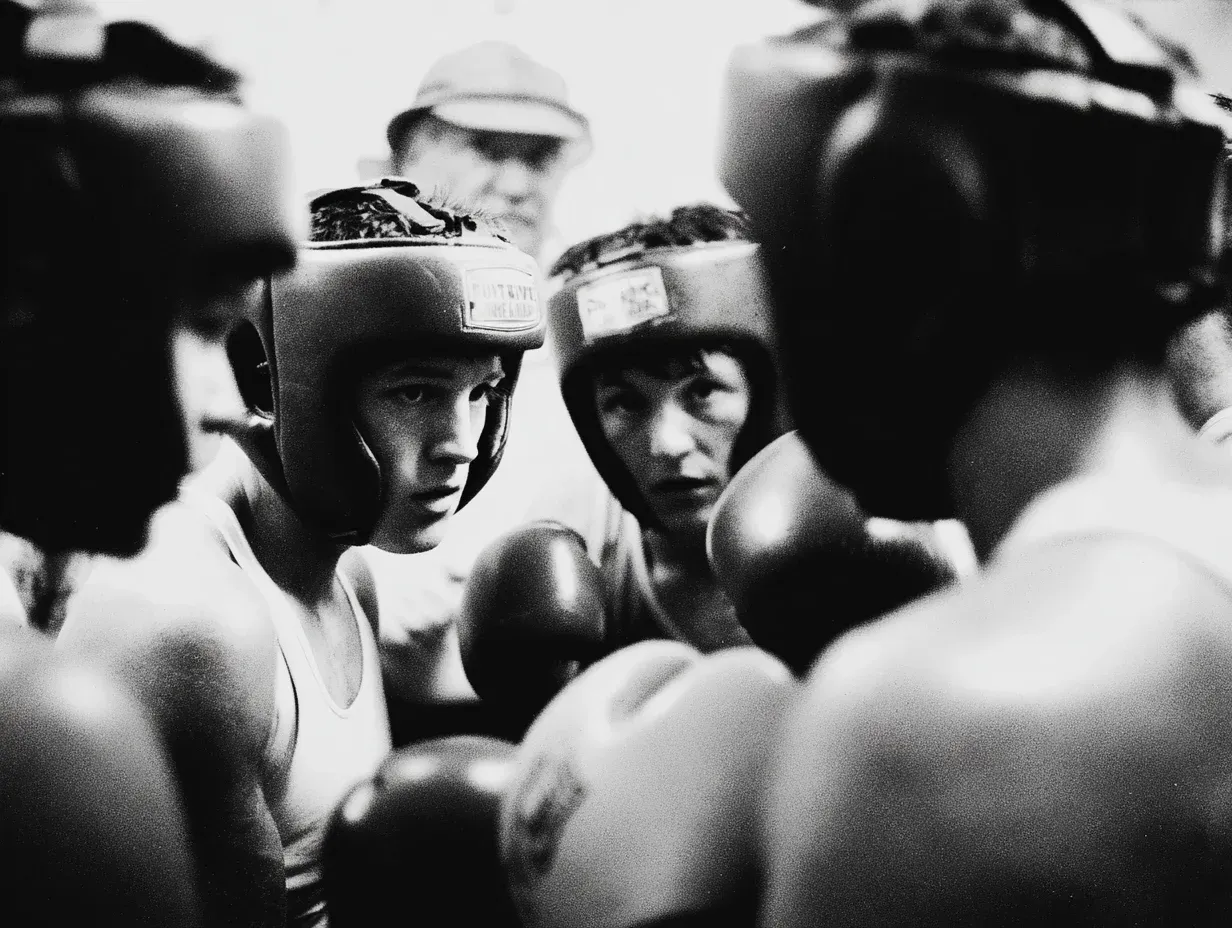
Fight Day: What to Expect
On fight day in Vancouver:
- Early arrival
- Weigh-in and medical check
- Waiting periods (can be long)
- Warm-up with your coach
- Bout announcement
- 3 short, intense rounds
Everything happens fast once you’re in the ring.
What Success Looks Like in Your First Fight
Success is NOT:
- Winning by knockout
- Being fearless
- Looking perfect
Success IS:
- Listening to your corner
- Staying composed
- Executing basics
- Finishing the fight standing
- Learning from the experience
Win or lose, stepping into the ring prepared is a victory.
Common First-Fight Mistakes to Avoid
- Fighting too soon
- Skipping sparring
- Cutting too much weight
- Overtraining
- Ignoring recovery
- Treating it like a street fight
Amateur boxing rewards discipline, not ego.
After the Fight: What Comes Next
Post-fight:
- Take time to recover
- Review footage with your coach
- Address weaknesses
- Decide whether to continue competing
Your first fight is the beginning, not the destination.
Final Thoughts: Preparation Is Respect
Preparing properly for your first amateur boxing match in Vancouver isn’t just about winning—it’s about respecting:
- The sport
- Your opponent
- Your coach
- Yourself
If you prepare well, step into the ring composed, and fight with discipline, you’re already doing it right.